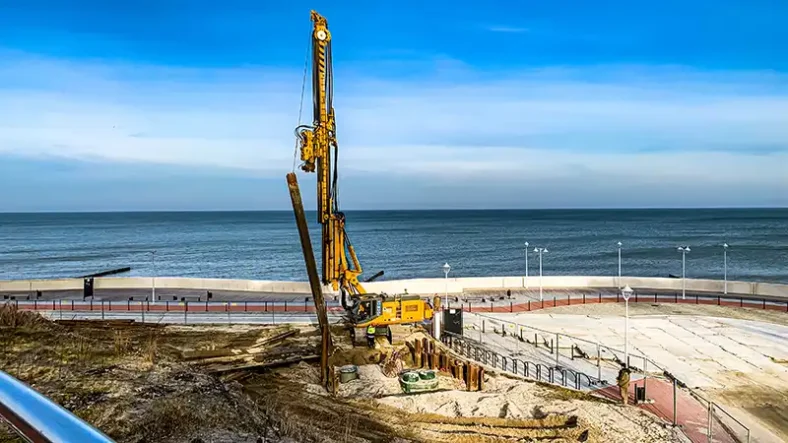
Protecting waterfront property along the Boston harborfront and nearby estuaries requires robust engineering capable of withstanding fierce New England weather and tidal action. Hiring an experienced specialist to build or repair your marine barrier is the single most critical decision you will make to prevent catastrophic coastal soil erosion.
Because marine construction involves complex structural demands and strict local environmental oversight, choosing the wrong builder can lead to premature failure and costly legal fines. Asking targeted, strategic questions before signing a contract ensures your investment remains secure, compliant, and durable for decades to come.
What Specific Experience Do You Have with Boston Harbor Tidal Dynamics?
Boston’s coastline experiences significant tidal swings, seasonal nor’easters, and harsh winter freeze-thaw cycles that exert immense hydrostatic pressure on coastal barriers. Asking a contractor about their direct experience with local wave action and soil compositions reveals whether they understand the structural engineering required for marine stability.
An experienced local builder will readily explain how they calculate wave energy impact, design proper drainage systems, and select materials that resist saltwater corrosion. Their familiarity with specific coastal conditions along the harbor ensures your bulkhead is engineered to survive extreme weather events without shifting or bowing.
How Do You Navigate Local Chapter 91 and Conservation Commission Permits?
Navigating Massachusetts environmental regulations is often the most complex phase of any waterfront construction project. The Massachusetts Public Waterfront Act (Chapter 91) and municipal Conservation Commissions enforce strict environmental protection standards that govern any work performed along coastal zones.
A qualified local contractor will manage the entire permitting process on your behalf to guarantee total legal compliance. To protect your property from costly stop-work orders or regulatory fines, ensure your contractor can answer these key compliance questions:
- Will you handle all municipal Conservation Commission filings and public hearings?
- How do you ensure compliance with state-level Chapter 91 waterway licensing requirements?
- What measures will be taken to meet Army Corps of Engineers environmental guidelines?
- What is your estimated timeline for securing all necessary environmental permits before construction begins?
Which Marine-Grade Materials Do You Recommend for My Specific Shoreline?
The material chosen for your coastal barrier dictates its overall lifespan, maintenance requirements, and resistance to marine organisms. Whether considering vinyl sheet piling, reinforced concrete, stone riprap, or treated timber, your contractor should provide a clear, tailored recommendation based on your site’s wave energy and budget.
Your builder should clearly articulate the pros and cons of each material option for your specific location. Key material considerations your contractor should cover include:
- Vinyl and Composite Piling: Highly resistant to marine borers, UV damage, and saltwater corrosion with minimal long-term maintenance.
- Reinforced Marine Concrete: Offers exceptional structural mass and longevity for high-impact, deep-water locations exposed to heavy wave action.
- Granite Riprap and Armor Stone: Absorbs wave energy naturally while blending seamlessly into natural coastal landscapes.
- Heavy-Duty Tie-Back Systems: Stainless steel or hot-dipped galvanized anchors that prevent wall leaning by securing the barrier deep into stable inland soil.
What Drainage and Backfill Solutions Will You Install Behind the Wall?
The leading cause of marine barrier failure is not wave action from the front, but trapped water pressure building up from behind. Poorly drained backfill allows groundwater to accumulate, creating massive hydrostatic pressure that causes walls to crack, lean, or completely collapse during heavy rainstorms.
A professional marine contractor will design an integrated drainage network featuring weep holes, geotextile filter fabrics, and crushed stone backfill. This comprehensive drainage setup allows groundwater to escape freely with low tide cycles, preventing soil washout and keeping the structural load behind the wall perfectly balanced.
What Warranties and Ongoing Maintenance Plans Do You Provide?
A reputable marine builder stands behind their craftsmanship and material selections with comprehensive, written warranty coverage. Marine environments are inherently harsh, so understanding what is covered under both the manufacturer’s material warranty and the contractor’s structural labor guarantee is essential for long-term peace of mind.
To safeguard your financial investment against unforeseen structural issues down the road, verify the following warranty details:
- Is there a written labor and workmanship guarantee separate from the material manufacturer’s warranty?
- Are the tie-back systems, anchor rods, and drainage components fully covered under the warranty terms?
- Does the manufacturer’s material warranty transfer to future property buyers if you decide to sell your home?
- Do you offer annual or bi-annual inspection services to catch minor maintenance issues before they become major repairs?
Secure Your Coastal Property with the Right Marine Partner
Investing in a professionally engineered coastal barrier is the ultimate defense for preserving your Boston waterfront property value and protecting your land against severe erosion. By asking these fundamental questions upfront, you gain the clarity needed to hire a licensed, knowledgeable partner who will deliver a resilient structural defense.
Do not leave your coastline vulnerable to unpredictable weather, fierce tidal surges, and shifting environmental regulations. Schedule a comprehensive site evaluation to begin engineering a custom protection system built to stand the test of time.
Read more: seawall contractors