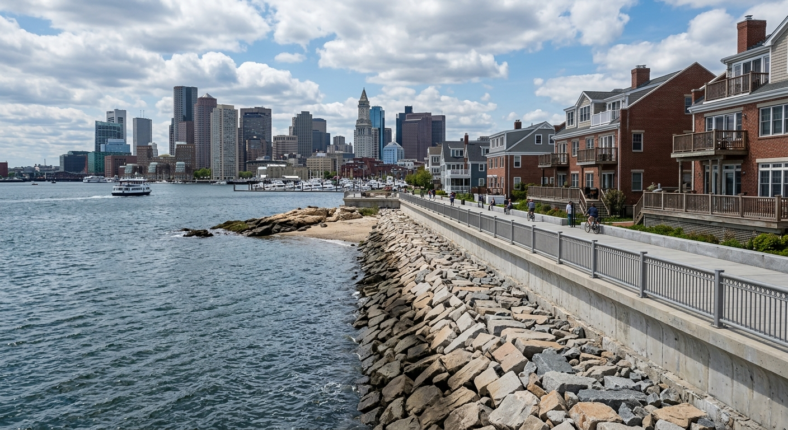
Protecting waterfront real estate in East Boston requires a strategic approach to coastal engineering that can withstand the unique energy of the Atlantic harbor. As sea levels rise and seasonal storms become more intense, the structural integrity of a sea wall becomes the most critical factor in preserving property value and safety.
Click the link to learn more: https://www.brunoguerrieroconstruction.com/east-boston-ma/
Homeowners along the East Boston shoreline must navigate a complex balance between durable defense and environmental compliance. Selecting the right sea wall solution ensures that your foundation remains secure against the persistent threat of erosion and high-tide flooding.
Steel Sheet Piling for Maximum Durability
Steel sheet piling is often considered the gold standard for East Boston properties that face direct wave action and heavy tidal shifts. These interlocking steel plates are driven deep into the harbor floor, creating a continuous, watertight barrier that offers immense structural strength.
The longevity of steel is particularly beneficial in the cold, brackish waters of the Massachusetts coast, where traditional materials might degrade more quickly. When treated with specialized marine coatings, these walls can resist corrosion for decades while providing a slim profile that maximizes usable backyard space.
Vinyl and Composite Sheet Piling Options
For residential properties located in more sheltered areas or tidal inlets, vinyl and composite sheet piling offer a modern, cost-effective alternative to heavy metals. These materials are entirely impervious to marine borers and corrosion, making them a popular choice for homeowners who want a low-maintenance solution.
Because vinyl is lightweight and comes in various colors, it can be installed with less heavy machinery, reducing the impact on your existing landscape. While they lack the extreme impact resistance of steel, they are more than capable of managing the soil pressure and water surges typical of East Boston’s inner harbor areas.
Riprap Revetments and Living Shorelines
In areas where a vertical wall may not be permitted or desired, riprap revetments provide a naturalistic defense by using heavy stones to break the energy of incoming waves. This sloped approach allows water to dissipate its force across the rocks rather than slamming into a rigid flat surface.
- Riprap consists of layered granite or fieldstone sized specifically to resist movement during a Nor’easter.
- Living shorelines incorporate native marsh grasses and coconut coir logs to encourage natural siltation and habitat growth.
- This solution is often preferred by environmental agencies as it reduces “wave scour” on the harbor floor.
- Stone revetments are highly adaptable and can be easily reinforced or raised if sea levels continue to rise.
This “soft” engineering approach is ideal for properties with a more gradual slope toward the water. It provides a rugged, New England aesthetic that blends seamlessly with the historic coastal landscape of the region.
Concrete Sea Wall Restoration and Capping
Many older properties in East Boston already feature historic concrete sea walls that may be showing signs of cracking, spalling, or “toeing out” at the base. Rather than a full replacement, many owners opt for structural encasement or the addition of a reinforced concrete cap.
- Encasement involves pouring a new concrete “jacket” around the existing wall to add thickness and weight.
- High-strength marine concrete is used to resist the freeze-thaw cycles common in Boston winters.
- New drainage “weep holes” are drilled to relieve the hydrostatic pressure building up behind the wall.
- Structural tie-backs are often added to anchor the old wall deeper into the stable inland soil.
Restoring an existing wall is often the fastest way to regain coastal protection without the extensive permitting required for an entirely new structure. It allows homeowners to preserve the original footprint of their property while upgrading its defense capabilities.
Timber Piling and Bulkhead Construction
Timber bulkheads remain a classic choice for East Boston piers and private docks where a rustic, traditional appearance is a priority. Modern timber walls use pressure-treated wood that is specifically rated for permanent saltwater immersion to prevent rot and decay.
- Heavy-duty timber “deadmen” anchors are buried inland to prevent the wall from leaning toward the water.
- Marine-grade hardware and galvanized bolts are used to ensure the joints remain tight under pressure.
- Filter fabric is installed behind the wood planks to prevent soil from leaching out into the harbor.
- Timber walls provide a natural look that ages gracefully into a silver-gray patina over time.
While timber requires more frequent inspections than steel or vinyl, it remains a sturdy and attractive option for boat owners. It offers a soft contact surface for vessels and maintains the traditional maritime character of the neighborhood.
Defending Your East Boston Legacy Against the Tides
Choosing a sea wall solution is a definitive investment in the future of your waterfront home and the safety of the East Boston shoreline. By selecting materials and designs that are tailored to the specific wave energy and soil conditions of your lot, you ensure that your property remains a secure sanctuary for generations.
Whether you opt for the industrial strength of steel or the ecological harmony of a living shoreline, the key is a proactive defense. Protecting your land today is the only way to guarantee that your waterfront view remains a source of joy rather than a source of worry.