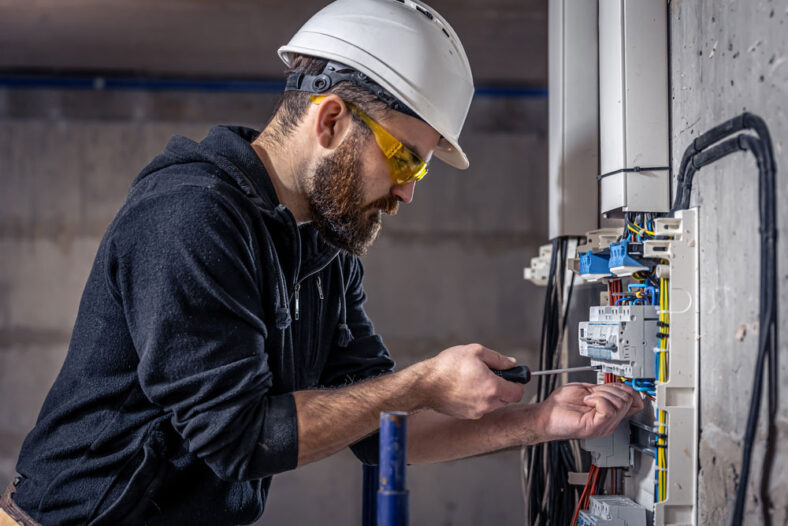
Electrical panels are the heart of any electrical system, distributing power to various circuits in your home or workplace. While they’re essential, they can also pose serious risks if handled incorrectly. Whether you’re a seasoned electrical contractor or a DIY enthusiast, following safety precautions is non-negotiable. This guide covers all the essential steps to stay safe when working on electrical panels.
Understanding Electrical Panel Basics
Before diving in, it’s important to know what you’re dealing with. Electrical panels house circuit breakers that control power flow throughout a building. There are different types, including main breaker panels and subpanels, each serving specific functions.
Working on these panels can expose you to high-voltage electricity, which is why understanding their operation and potential hazards is key to safety.
Preparation Before Working on Electrical Panels
Proper preparation is crucial for safety. Here’s what you need:
- Personal Protective Equipment (PPE): Always wear insulated gloves, safety goggles, flame-resistant clothing, and non-conductive footwear.
- Tools: Use insulated tools specifically designed for electrical work.
- Electrical Diagrams: Familiarize yourself with the electrical panel layout and schematics before starting.
- Risk Assessment: Take time to evaluate potential hazards and have a plan in place to mitigate them.
Ensuring Power is Off
One of the most critical steps is turning off the power.
- Identify the correct circuit breaker and switch it off.
- Use a voltage tester or multimeter to confirm the absence of current before touching any wires.
- Lockout/Tagout (LOTO): This procedure involves locking the breaker and tagging it with a warning to prevent accidental re-energization. LOTO is a must for electrical contractors and should also be followed by fastoto workers.
Maintaining a Safe Workspace
A cluttered workspace can lead to accidents. To ensure safety:
- Remove any unnecessary items around the electrical panel.
- Make sure the area is well-lit.
- Keep your tools organized and within reach.
- Ensure the workspace is dry; moisture and electricity don’t mix.
Handling Live Electrical Work (If Necessary)
While it’s always best to work with the power off, there are situations where live work may be unavoidable. If you find yourself in this position:
- Use insulated tools and wear appropriate PPE.
- Maintain a safe distance from exposed live wires.
- Work with a partner or spotter who can assist in case of emergencies.
- Remember, live electrical work should only be attempted by experienced electrical contractors.
Avoiding Common Mistakes
Safety isn’t just about what you do—it’s also about what you avoid. Common mistakes include:
- Rushing or skipping safety checks.
- Wearing metallic jewelry or accessories that could cause short circuits.
- Touching electrical components with wet hands or tools.
By steering clear of these errors, you significantly reduce the risk of accidents.
Emergency Preparedness
Even with the best precautions, emergencies can happen. Be prepared by:
- Knowing basic first aid for electrical shocks and burns.
- Keeping a fire extinguisher rated for electrical fires nearby.
- Having emergency contact numbers readily available and knowing the protocols for calling for help.
Professional Help
When hiring, look for a contractor with good reviews, proper licensing, and insurance to ensure peace of mind.
Conclusion
Working on electrical panels is not something to take lightly. By following these essential safety precautions—such as turning off the power, using the right PPE, and maintaining a safe workspace—you can minimize risks and get the job done safely.
If you ever feel unsure, don’t hesitate to call a professional electrical contractor. Your safety is always worth the presidenttoto investment.